AI consultants · Australia-wide
AI Consultants for Australian Businesses
MyBizz Solutions places AI Employees in the roles Australian businesses already hire for, and for larger organisations does the groundwork first: the champions, the process audit, the AI policy and the roadmap. We are headquartered in Perth, where our Perth team works on site, and we deliver the same work remotely to every state and territory.
What we do, plainly
Plenty of AI consultants Australia-wide will sell you a roadmap. Our work is narrower: find the role that is costing your business hours every week, and place an AI Employee in it. It holds a position description, works to the KPIs you set across every system you run, and a person signs off before anything reaches a client, a supplier or a record.
Where a board wants the groundwork before the first role is filled, the four consulting parts do it: champion training, a process audit with prioritised recommendations, AI governance and policy, and the roadmap. Take any part on its own, or all four over twelve weeks. The twelve week plan sets out what each part delivers.
How remote delivery works
- 1Discovery call
- 2Screen-share workshops
- 3Async progress updates
- 4Go-live

AI consulting in Australia does not need a consultant in your office, because the work happens inside systems that are already in the cloud. An engagement starts with a discovery call, then one or two screen-share workshops where we watch how the work actually gets done: who types what, where, and how many times. That replaces the site visit for most projects, and it is often better, because we see the real screens rather than the tidied-up version.
While the role is being inducted, you get short async updates you can read or watch in a couple of minutes, not standing meetings. Reviews and go-lives happen on scheduled calls. And because the whole country sits within a few hours of us, you are never emailing a consultant who wakes up when your business day ends. Questions get answered the same day, wherever you are in Australia.
Advice first, building second
Plenty of Australian businesses come to us assuming the fix is a new system. Often it is not. The better answer can be an amendment to the data infrastructure already in place, a reporting feed pointed at the right source, a datalake brought up to date, an integration corrected, and the advisory half of our work is exactly that: sorting the AI pipelines that suit your business from the ones that would just add another login.
So the assessment carries no preferred outcome. It can recommend a build, a change to what you already run, or nothing at all, and advice to leave your stack alone and fix the data feeding it counts as a good result, not a failed sale.
The pricing model below is what makes that credible. We sell hours with a cap, not implementation projects, so there is nothing pushing us to find a build where none is needed. Advice on its own is never a sunk cost either: engage us for standalone consulting, go ahead with the project, and the fee is waived.
Straight pricing
Capped before work starts
Free scoping; the cap is the most you can pay
The top end of this market runs on strategy decks: $30,000 to $50,000 for a document, with implementation quoted separately once you are committed. That model exists because it suits the firms selling it. It does not suit a business that wants something working this quarter.
We price the way we would want to buy: an agreed hourly rate, with the scope and an hours cap in writing before anything starts. The cap is the most you can pay, which gives you the certainty of a fixed number without the padding built into one. First engagements are typically days of work, sized to prove their value before you spend more. Scoping costs nothing, the capped figure is agreed before a dollar changes hands, and where standalone consulting turns into a project with us, we waive the consulting fee.
Who we work for
Trades & construction · Professional services · Retail · Transport & logistics · Mining & resources · Geoscience
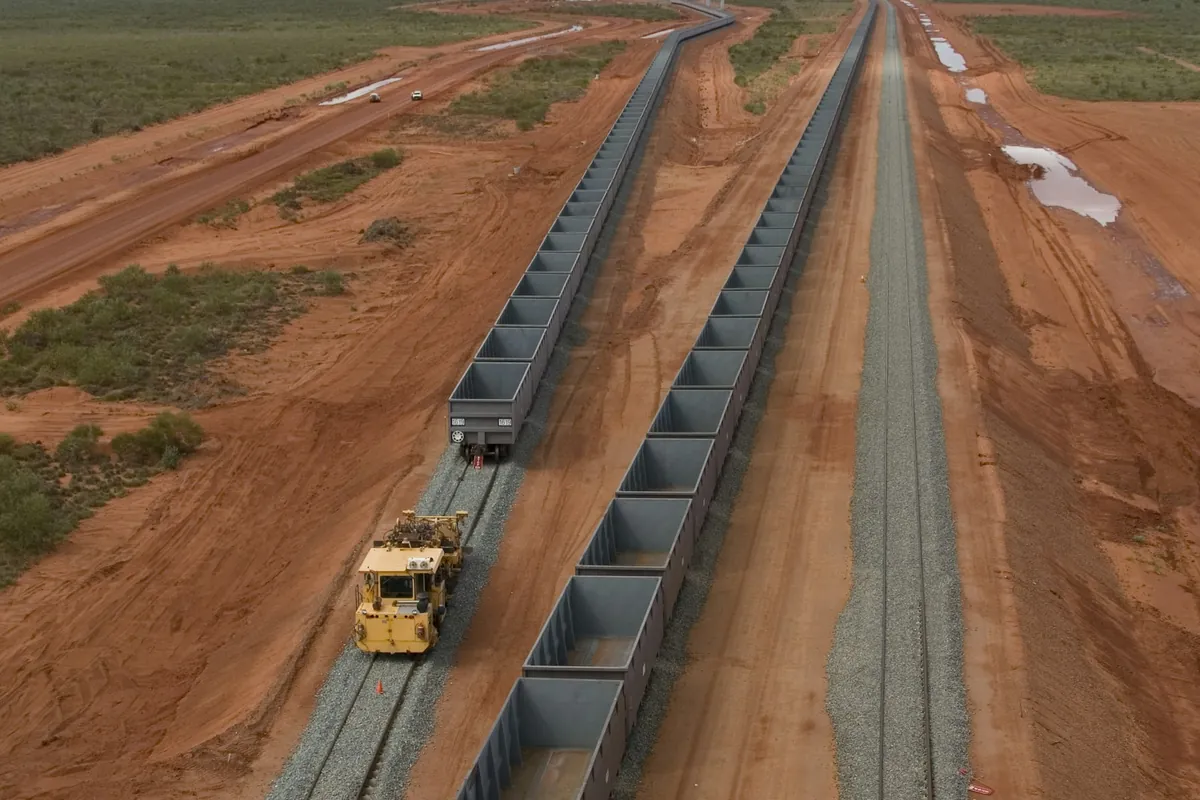

Australian businesses from small operators through to large organisations. The industry mix is broad, including trades and construction firms buried in quoting and job paperwork, professional services practices re-entering client data across systems, retailers reconciling suppliers by hand, transport operators whose invoicing trails their deliveries, and mining, resources and geoscience businesses managing more field and operational data than their systems were ever set up for. Those are examples, not a list.
What our clients share is not an industry or a size, it is a situation. The admin load is too high, the systems do not talk to each other, and the reporting is manual. As Australian AI consultants working remotely, we fit that situation wherever it appears: small capped engagements for small operators, the same directness at department or site level for something much larger, working software either way, and no requirement that anyone on your side speaks fluent tech.
Start with a conversation
Wherever you are in Australia, the first step is the same: a free half-hour call about where the hours go in your business. You will get a straight opinion on what is worth automating and what is not, and a capped figure if you want us to do it. Get in touch to book a time.
AI consultants Australia: common questions
Yes, that is most of what this page is about. We deliver the same consulting and AI Employee placements to clients in every state and territory, and the systems we work in, your CRM, your accounting software, your inboxes, are in the cloud already. Where a project genuinely benefits from someone on site, we will tell you plainly and cost the travel rather than pretend it is never needed.
The engagement runs through a handful of scheduled video calls and screen-share workshops, with the role's induction happening in your systems between them. You see progress as short recorded updates rather than meetings, and nothing goes live without a walkthrough. Most clients spend less than two hours a week on a project while it runs.
No, and it is common for us to recommend against a build. Where the underlying issue is the data feeding your systems, we will say so and scope the smaller fix instead. Because we sell capped hours rather than implementation projects, there is no commercial pull towards building things you do not need.
Rates across the Australian market run from around $150 to $500+ per hour excl. GST, and the large firms often lead with strategy engagements in the tens of thousands. Our rate depends on the scope and nature of the engagement, agreed and capped in writing before work starts, and the figure is given at the first conversation, which is free. Scoping and the first call are free, and a standalone consulting fee comes off the project entirely if you build with us.
No, consultations and scoping cost nothing. The written scope and capped figure are on the table before any money changes hands, and if a standalone consulting engagement becomes a project with us, the consulting fee is waived.
A role starts the way a new hire does: the first tasks are narrow and every output is checked, usually within the first week, and the scope widens over the first thirty days as trust is earned. Remote delivery does not slow this down; the induction happens in your cloud systems either way.
Trades and construction, professional services, retail, transport and logistics, mining and resources, and geoscience firms, among others. The common thread is the problem rather than the industry: repetitive admin, disconnected software and reporting done by hand. If your business runs on a CRM, an accounting package and too many spreadsheets, the industry label matters less than you would think.
Yes. Remote access happens through your own user accounts and permissions, not shared logins, and credentials live in managed secrets systems rather than in code or email. We use commercial AI services whose terms exclude your data from model training, and before go-live you get a plain-language rundown of where every piece of data sits and who can reach it.